
A Structured System for Engineering Prevention at Scale
PrecisionErgo applies a 90-day execution model to reduce ergonomic risk at the source — while improving operational performance.
The RIR 90-Day Execution Framework
RIR is a structured execution model designed to reduce ergonomic exposure at the source while improving operational performance. It aligns Operations, Safety, and Finance around measurable outcomes within 90 days.
REIMAGINE
(0-30 Days)
Objective: Identify and quantify high-impact exposure before injuries occur.
Injury & Exposure Data Review
Process & Workstation Mapping
Task-Level Risk Scoring
Identify 3 Priority Intervention Targets
Output: Clear intervention roadmap focused on the highest-impact tasks.
IMPROVE
(31-60 Days)
Objective: Improve operational performance through targeted redesign
Redesign Workstations
Apply Engineering Controls First
Validate Productivity Impact
Align Ops, Safety & Finance
Output: Validated workstation and workflow improvements.
REDUCE
(61-90 Days)
Objective: Reduce ergonomic risk at the source and validate impact with data
Implement Interventions
Weekly Execution Reviews
Re-score Exposure
Target 20-30% Reduction
Output: Documented exposure reduction embedded into operational rhythm.
Measured. Embedded. Sustained.
Why 90 Days?
Ninety days creates urgency without sacrificing execution discipline. Long enough to redesign high-impact work. Short enough to maintain operational focus.
Engineering Controls Over Coaching
We prioritize engineering controls over behavioral interventions. Sustainable risk reduction happens when the system changes — not when workers are reminded to lift differently.
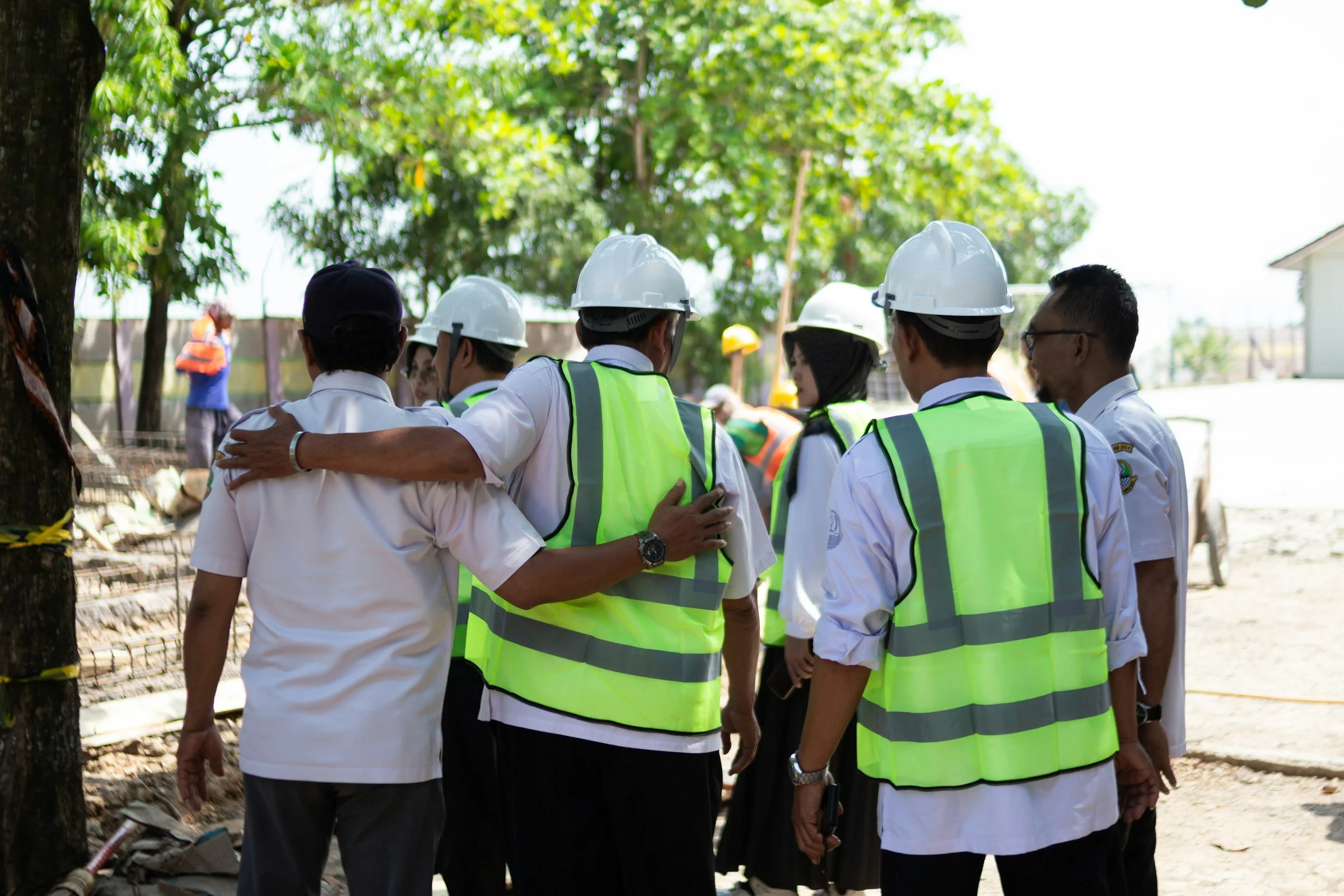
Embedded, Not Advisory
Shared accountability
Weekly execution reviews with Operations
Cross-functional alignment with Safety & Finance
We embed inside your operational rhythm, not outside it.
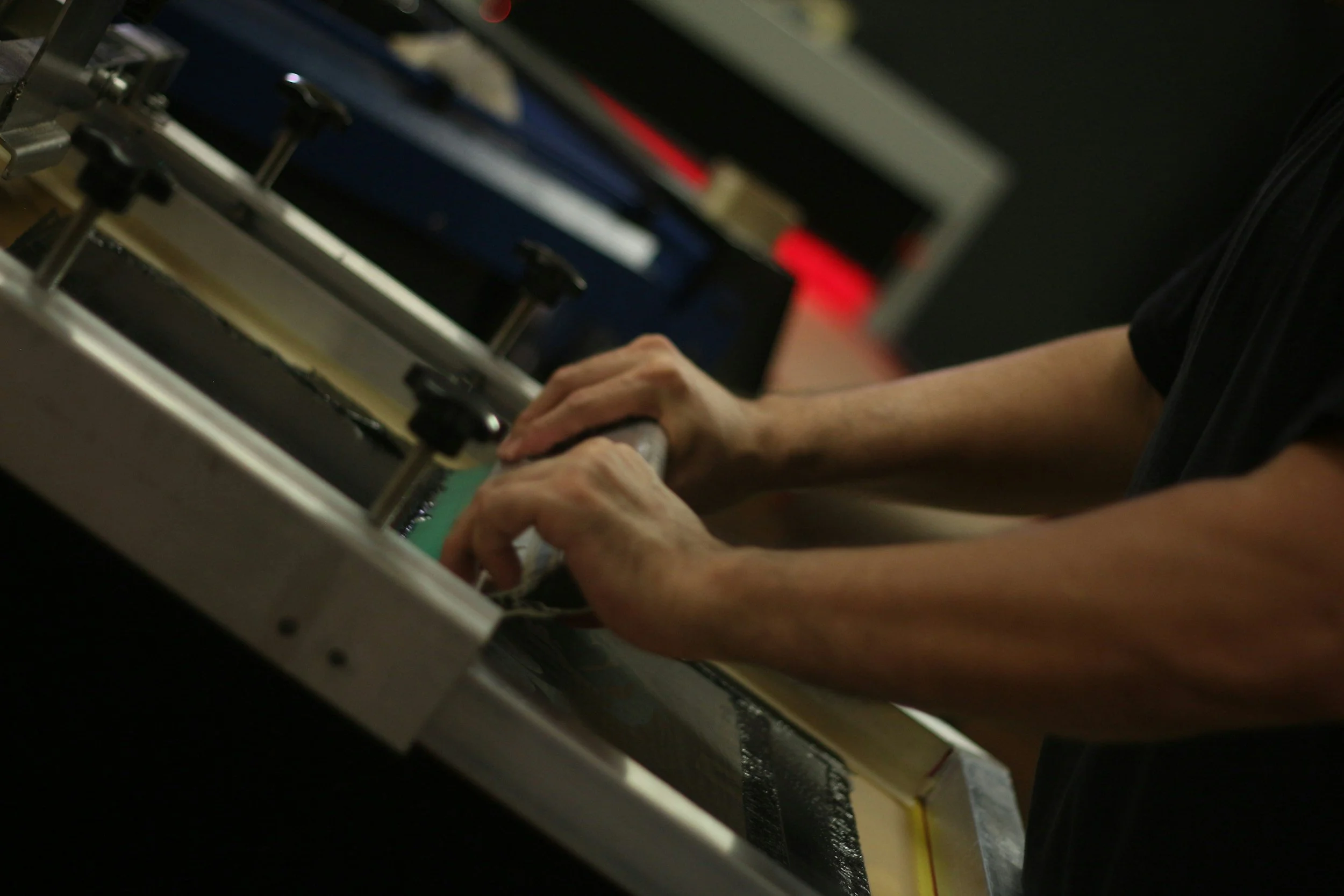
Design-Driven Prevention
Engineered solutions over admin controls
System- level design before behavior change
Risk addressed at the source
We address risk at the workstation and workflow level, where injuries originate.
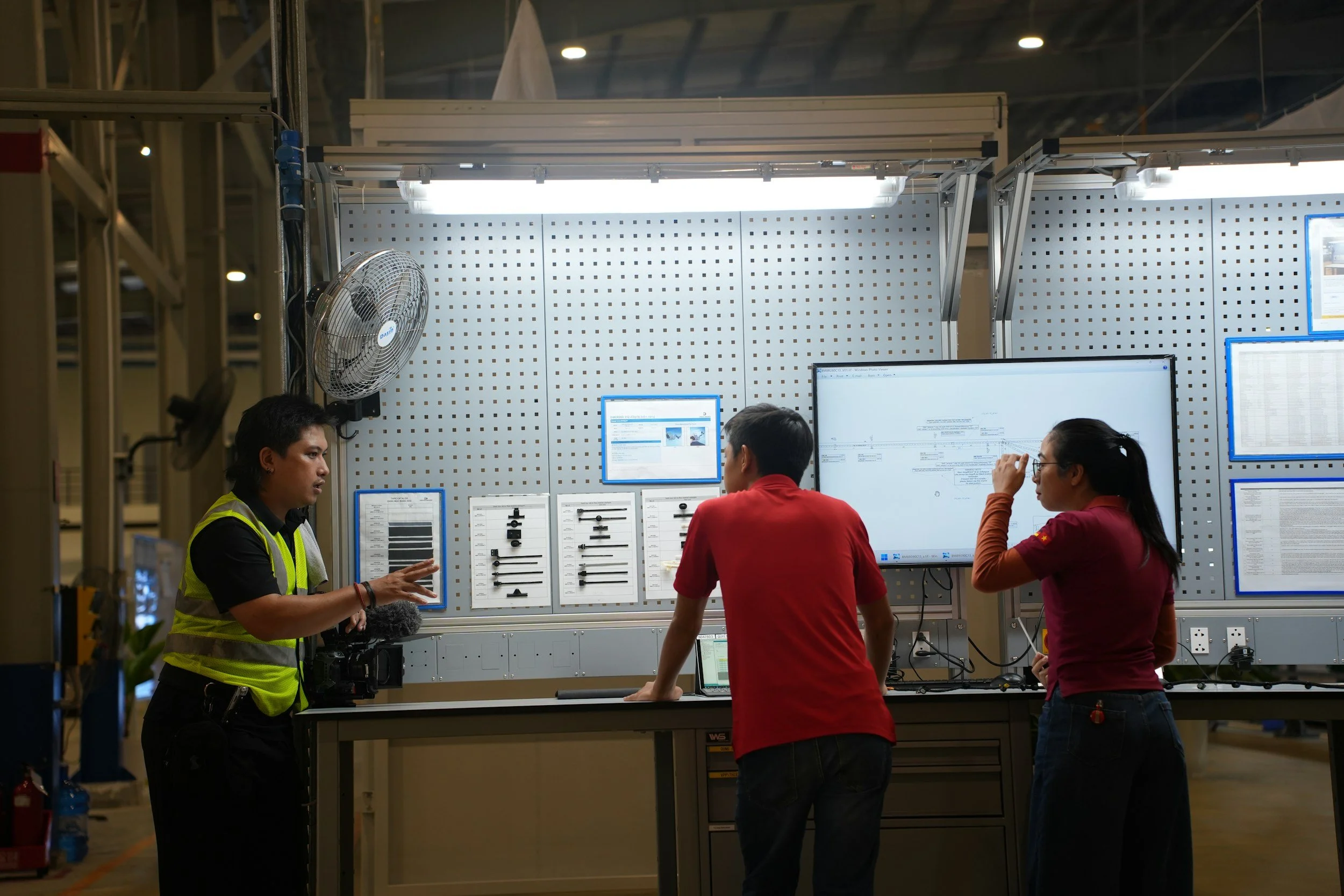
Performance Improvement
Reduced ergonomic exposure
Improved workflow stability
Stronger supervisor and operator buy-in
Ergonomics should improve output, not slow it down
100+ employee sites or multi-shift operations
High-volume, task-intensive workflows
Leadership committed to measurable change
Safety teams ready to implement engineering control
Built for Execution at Scale
Best suited for…
Ready to Engineer Smarter, Safer Operations?
If injury trends, operational friction, or rising claims are limiting performance, it’s time to engineer prevention into the system — not manage symptoms.
45-minute strategic review. Clear priorities. No on-site assessment included.